Pirelli to expand production in US after restricting Chinese shareholder influence; scrutiny against lawful investment threatens market credibility: expert
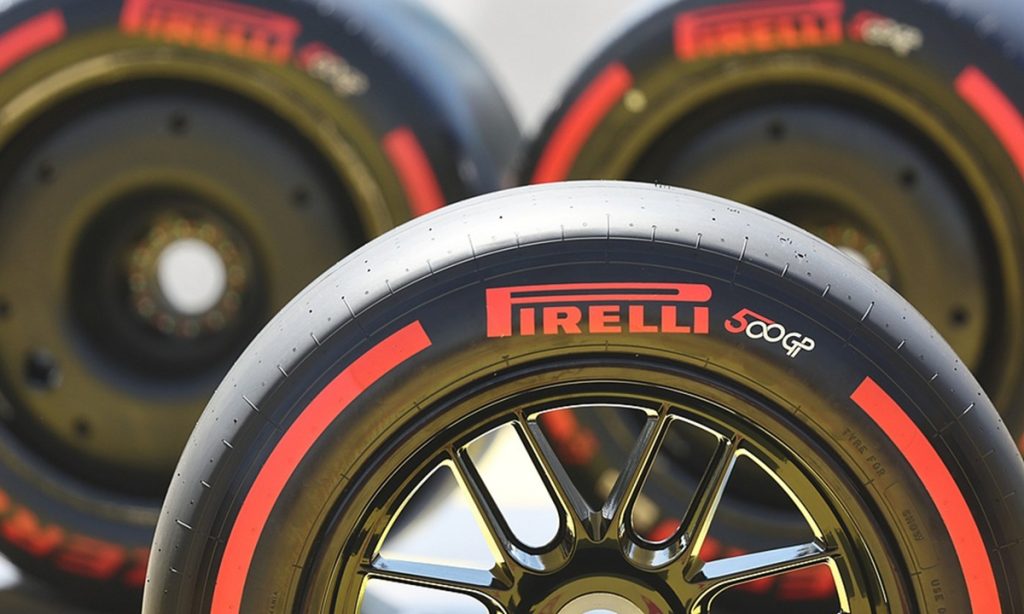
Italian tiremaker Pirelli will reportedly start producing its Cyber Tyres in the US, the company said, after the Italian government moved to curb the influence of the tiremaker’s Chinese investor Sinochem. Chinese analysts said the move reflects how certain Western markets are broadening the use of security pretexts to subject Chinese companies to unfair scrutiny, warning that such practices will deepen long-term distrust in Europe’s investment environment.
Pirelli said it would begin manufacturing the connected products at its US plant in Rome, Georgia, “strengthening the company’s integrated industrial and technological presence in the country,” Reuters reported on Wednesday.
The latest move came about one month after the Italian government invoked its “golden power” rules to restrict the Chinese investor’s role in Pirelli’s corporate governance, including by sharply reducing Sinochem’s board representation, a step analysts said exposed a discriminatory approach toward Chinese investment.
Sinochem is Pirelli’s largest investor, with a 34.1 percent stake.
Cyber Tyre technology combines sensors embedded in tyres with software that can transmit real-time data to vehicles, and Pirelli had previously presented the technology at the US Commerce Department’s SelectUSA Investment Summit, Reuters reported.
Italian Industry Minister Adolfo Urso linked the restrictions to the US market. Reuters reported on April 15 that Urso claimed the curbs on Chinese shareholder influence would allow Pirelli to compete in the US market.
Reuters cited Citi analysts as saying that although Cyber Tyres are a small-volume product, the start of production in the US signals that the Commerce Department “is now more comfortable with Pirelli undertaking capex in the US and producing this technology rich product.”
He Weiwen, a senior fellow at the Center for China and Globalization, told the Global Times on Thursday that the Pirelli case is a typical example of a third-country company restricting the lawful rights of a Chinese investor under pressure from US long-arm jurisdiction and overstretched security claims.
The experts noted that by moving ahead with its US market plans after the Chinese shareholder’s governance rights were compressed, Pirelli has underscored how Western market-access expectations are being met through the politically driven erosion of a lawful Chinese investor’s legitimate rights and basic market rules.
Italy’s curbs in April substantially limit Sinochem’s role as Pirelli’s largest shareholder. Reuters reported that the measures will remain in force as long as Sinochem holds more than 9.99 percent of Pirelli, effectively pressuring it to cut its 34 percent stake. The move also cut the number of representatives Sinochem can name to Pirelli's next board to three from eight, according to Reuters.
Sinochem’s related unit has already voiced opposition. Sinochem's Italian subsidiary Marco Polo International S.r.l. said in a statement sent to the Global Times in April that it reserves the right to pursue all necessary legal remedies to protect its legitimate shareholder rights and interests after receiving the Italian government’s decree.
Marco Polo International S.r.l. said in the statement the administrative restrictions infringe upon legitimate shareholder rights and interests under Italian corporate law and Pirelli’s bylaws, and that such measures are discriminatory and will inevitably have a negative impact on Italy’s investment climate.
He Weiwen said the case shows that Western scrutiny of Chinese companies is expanding from specific technical risks to shareholder identity, equity ratios and corporate governance structures – a trend that runs against market logic and normal commercial rules.
For Chinese enterprises, even lawful, market-based investment could face growing uncertainty, damaging their confidence in Europe while also raising broader questions among foreign investors about the credibility and predictability of these markets, the expert said.
The Chinese Foreign Ministry has previously stated China’s position on reports that Italy wanted to reduce or cancel Chinese stakes in key Italian companies including Pirelli to avoid problems with the US administration.
“China-Italy investment cooperation is mutually beneficial and never targets any third party, nor should it be disrupted by any third party. The Chinese government supports Chinese companies in carrying out international cooperation based on market principles. We hope Italy will provide Chinese companies with a fair, just and non-discriminatory business environment, and earnestly protect their lawful rights and interests,” Foreign Ministry spokesperson Lin Jian said.
The Pirelli case also comes as Europe tightens restrictions on Chinese firms in other sectors, with proposed rules such as the Industrial Accelerator Act and the Cybersecurity Act revision criticized by China for creating new barriers in strategic industries and technology markets. China’s Ministry of Commerce has warned that China will take resolute countermeasures if the relevant proposals harm the legitimate rights and interests of Chinese enterprises.